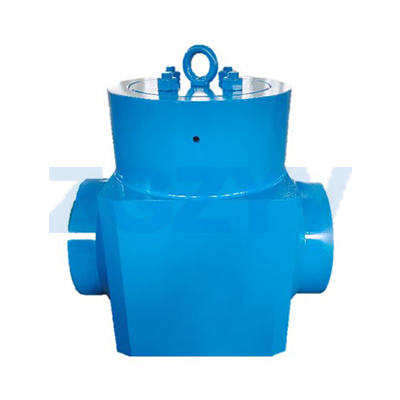
Causes and Solutions of Valve Noise in Power Stations
The noise of power station valves is mainly caused by fluid dynamics effects, mechanical vibration, and cavitation phenomena, which require targeted measures such as fluid control, structural modification, and system optimization to solve.
First determine the type of noise, and then solve it according to different types.
1. Fluid turbulence noise
This type of noise is commonly found in high-pressure differential control valves and gas pipeline systems, where high-speed fluids generate strong turbulence and pressure pulsations when passing through valve throttling areas.
How to solve it?
Control flow rate and pressure: Adjust the valve opening to ensure that the flow rate is ≤ 15m/s (liquid) or 0.3 Mach (gas), to avoid the pressure difference in the throttling area exceeding the critical value.
Installation of noise reduction device: Install multi-stage orifice plates or expansion type mufflers downstream of the valve to disperse energy and reduce turbulent noise.
Eliminate gas impurities: Install an exhaust valve in the liquid system to prevent cavitation noise caused by bubble collapse.
2. Cavitation/cavitation noise
This type of noise is common in liquid pressure reducing valves and water pump outlet valves, where the pressure of the liquid medium drops sharply below the saturated vapor pressure, causing bubbles to collapse and triggering high-frequency shock waves.
3. Mechanical vibration noise
This type of noise is common in electric control valves, old valves, and valve cores/stems that resonate due to fluid impact force imbalance, component wear, or loose installation.
How to solve it?
Upgrade anti vibration components: replace the “V” – shaped valve core or sleeve valve to eliminate the source of valve core vibration; Reinforce the valve stem guide bearing to reduce lateral swing.
Repair the sealing system: Grind the damaged valve seat sealing surface and replace the aging packing (such as graphite wrapped gasket).
Strengthen pipeline support: Add hydraulic damping brackets within 1m before and after the valve to suppress pipeline vibration transmission.
4. Sealing failure whistling
This type of noise is common in solenoid valves, globe valves, where damage to the sealing surface or blockage by impurities can cause medium leakage, resulting in high-speed airflow whistling sound.
The key to operating power station valves is to regularly clean the filter screen, install pipeline filters with ≥ 80 mesh, and prevent particulate matter from blocking the valve core; The working voltage fluctuation of electric valves should be controlled within ± 10% of the rated value (such as 21.6-26.4V for 24V systems); Add high-temperature grease to the valve stem threads every quarter and check the bolt pre tightening force.
By comprehensively applying fluid control, anti vibration modification, and preventive maintenance, noise can be reduced by more than 20dB. If there is continuous abnormal noise, professional testing is required to avoid resonance causing pipeline fatigue fracture.