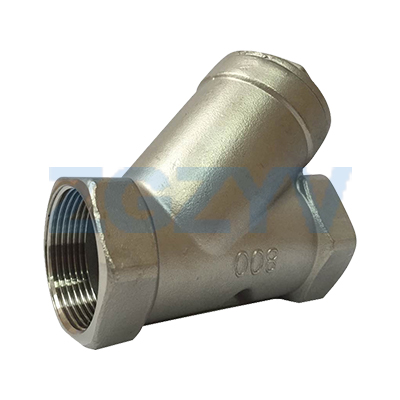
How to control the rusting of forged steel valves?
The rust prevention measures for forged steel valves should start from three aspects: material selection, process treatment, and daily maintenance.
At the material level:
Priority should be given to stainless steel materials with a chromium content higher than 12%. Chromium reacts with oxygen to form a dense chromium oxide passivation film, which can block the penetration of moisture and corrosive media. If carbon steel substrate is used, a zinc protective layer needs to be formed through galvanizing or hot-dip galvanizing process, sacrificing anode characteristics to delay substrate corrosion.
In terms of processing technology:
Acid pickling passivation is the core process: first, remove the surface oxide scale and free iron with phosphoric acid or nitric acid solution, and then form a nanoscale oxide film through passivation solution (such as a solution containing chromium nitrate) to improve salt spray resistance for more than 220 hours.
Key parts (such as valve stem sealing surface):
It can be coated with polytetrafluoroethylene, utilizing its low friction coefficient and chemical inertness for dual protection.
During the usage and maintenance phase:
Regular inspection of valve body welds and sealing surfaces is required. If rust is found, it should be immediately treated with a specialized cleaning agent (such as KM0109) and coated with anti rust oil.
It is recommended to install electrochemical anode protection devices in humid environments to protect steel components by consuming zinc or magnesium blocks.
Valves that have been out of service for a long time should be injected with anti rust grease and replaced with inert gas (such as nitrogen) to remove residual media in the pipeline.