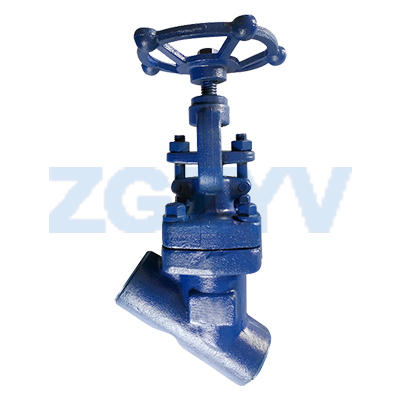
What needs to be done regularly for forged steel globe valves
Forged steel globe valves are commonly used in high-pressure and high-temperature working conditions (petrochemical, power systems). To ensure sealing, flexible operation, and intact structure, and to avoid system pressure loss or medium leakage caused by valve failure, the following key things need to be done:
Appearance and sealing inspection:
Check the valve body and valve cover for cracks and corrosion spots every week/month (according to the frequency of working conditions), and check the flange/threaded connection parts (sealing gaskets, thread sealants) for signs of medium leakage (such as oil stains, water stains, frost); After closing the valve, check for internal leakage (seal failure between the valve core and seat) through the outlet side pressure gauge or pressure holding test (briefly hold pressure after closing to observe if the pressure drops). Internal leakage can cause unstable system pressure and long-term erosion of the sealing surface, exacerbating damage.
Operational flexibility test:
Manually rotate the handwheel once or twice a month and perform a full close full open operation to check if the valve stem rotates smoothly, whether there is any jamming or sudden increase in resistance (jamming may be caused by valve core scaling, valve stem corrosion, or tight packing). If it is an electric/pneumatic forged steel globe valve, it is necessary to test the manual emergency operation function every quarter to avoid the inability to manually switch in case of power failure.
Valve stem and packing maintenance:
Check for rust and scratches on the exposed part of the valve stem, and apply specialized high-temperature grease (compatible with the medium, such as oil resistant grease for transporting oil) to the valve stem threads every 2-3 months to reduce rotational friction; If slight leakage is found at the valve stem and packing box, slowly tighten the packing gland bolts (evenly tighten in multiple times to avoid fracturing the packing); If the packing becomes aged and hardened, and leaks severely, it is necessary to shut down and replace the high-temperature resistant packing (such as graphite packing, suitable for the high-temperature working conditions of forged steel valves).
Pressure and temperature monitoring:
Regularly check whether the working pressure and temperature of the valve are within the design range by combining the system pressure gauge and thermometer (forged steel valves have clear pressure temperature ratings, such as PN16 and Class 150), to avoid overpressure (causing valve body deformation) and overheating (accelerating seal aging and stem material softening).
Internal component sampling inspection:
Every year (or according to the equipment maintenance cycle), stop the machine for disassembly and inspection, and check whether the sealing surface of the valve core and valve seat is worn or eroded (such as grooves or pitting on the sealing surface). If the wear is minor, it can be repaired by grinding, and if it is severe, the valve core/valve seat needs to be replaced; Clean the residual impurities inside the valve chamber (such as welding slag and medium scaling) to avoid impurities sticking to the valve core or scratching the sealing surface.
Record and ledger:
Record the inspection time, problems, and handling methods after each maintenance, track the aging trend of the valve through the ledger, and plan for replacement in advance (if the sealing surface still leaks after multiple repairs, the valve needs to be replaced in a timely manner).