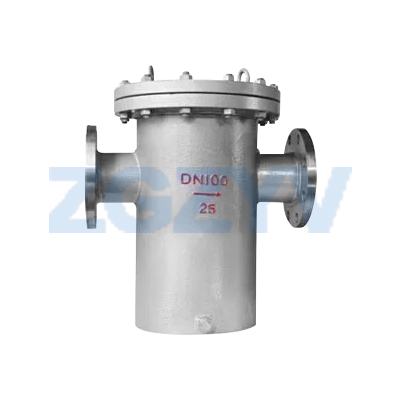
Conditions for rusting stainless steel filters
Stainless steel filters are not absolutely rust-proof; under normal usage, they are resistant to rust, but may still corrode in harsh environments or when improperly used.
First, stainless steel contains chromium (Cr≥10.5%), which forms a dense layer of chromium oxide on the surface, effectively isolating air and moisture to prevent internal metal corrosion.
When the following conditions are triggered, the stainless steel filter will rust:
Harsh Environment: Prolonged exposure to strong acids (e.g., hydrochloric acid) or strong alkalis (e.g., caustic soda), as well as high salt spray (e.g., near the sea), can damage the oxide film.
Material does not meet standards: Using low-chromium stainless steel (e.g., 201) to impersonate 304/316L, with poor rust resistance.
Surface damage: Scratches, impacts on the filter surface, and failure to promptly repair the damaged oxide film can easily lead to localized rusting.
How can the risk of rusting be reduced?
Choose the right material: Use 304 for general environments and 316L for corrosive environments.
Prevent damage: Handle with care during transportation and installation to avoid scratches.
Regular cleaning: Wipe the surface with a soft cloth to remove residues such as oil stains and salt deposits.