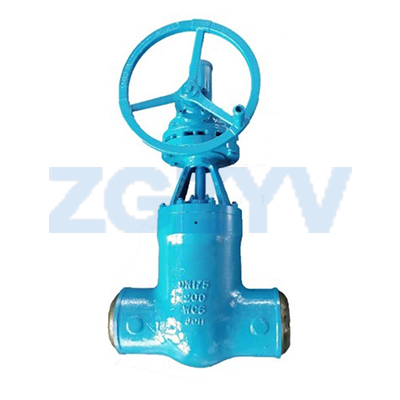
The maintenance of power plant valves cannot be done without these steps!
The key to maintaining power plant valves lies in regular inspections, as-needed lubrication, timely repairs, preventing leaks and jamming, and ensuring stable operation under high-temperature and high-pressure conditions.
1. Daily Routine Maintenance (Preventive Approach)
Conduct daily or weekly visual inspections to check for cracks or corrosion marks on the valve body and cover, as well as loose connecting bolts, to prevent medium leakage.
Manually operate the valves periodically (e.g., 1-2 times per week) by fully opening and closing them to prevent the valve stems from seizing due to prolonged inactivity, with special attention to valves that have been closed for extended periods.
Keep the valves and their surroundings clean, removing surface dust, oil stains, and residual media to prevent impurities from entering the stuffing box or valve seat, which could affect sealing performance.
2. Specialized Maintenance of Key Components (Focusing on Sealing and Flexibility)
Sealing Surface Maintenance: During each inspection, check the sealing surfaces of the valve seat and core. If there are scratches or wear, use specialized tools for grinding and repair. For soft-sealed valves (e.g., rubber seals), regularly inspect the sealing components for aging. Replace promptly if deformation or cracking is detected.
Maintenance of the Stem and Packing: Apply specialized high-temperature grease (select based on medium temperature, such as molybdenum disulfide grease for temperatures above 300°C) to the stem weekly to reduce friction between the stem and packing. If external leakage is detected at the packing, appropriately tighten the packing gland or replace the packing (e.g., graphite packing, PTFE packing).
Maintenance of drive mechanisms: Electric or pneumatic valves require regular inspection of the drive motor and cylinder, cleaning dust from terminal connections, and testing motor insulation. For pneumatic valves, check the air supply pressure and tubing seal integrity to ensure timely valve switching.
3. Regular Performance Testing (to Identify Potential Faults)
Conduct a pressure test every 3-6 months by introducing the medium at rated pressure after closing the valve, then let it stand for 10-15 minutes to check for internal or external leakage in the valve body and sealing surfaces. This procedure must be strictly enforced for high-temperature and high-pressure valves (e.g., main steam valves).
For valves that have been out of service for an extended period (over 1 month), the upstream and downstream stop valves should be closed, and the medium inside the valve body should be drained. If the medium is prone to crystallization or corrosion, it should be flushed with clean water or a specialized solvent. Finally, the valve should be closed and treated with anti-rust measures.
4. Environmental Adaptability Maintenance (for Special Working Conditions)
If the valve is in a humid or dusty environment (such as a boiler workshop), it is necessary to regularly apply anti-rust paint to the exterior of the valve body and apply anti-seize compound to the bolts to prevent rust and seizing.
For valves handling corrosive media (such as acidic or alkaline solutions), the inspection frequency should be increased, and sealing components and valve bodies made of corrosion-resistant materials should be prioritized. After each maintenance, parameters such as the type of medium, temperature, and pressure should be recorded to facilitate targeted future maintenance.
Finally, it is recommended that you create a monthly maintenance checklist for power plant valves, specifying the model, location, maintenance items, and responsible personnel for each valve. This will help avoid omissions and make the maintenance process more systematic.